
Dec
01
What is Pipe Fabrication?
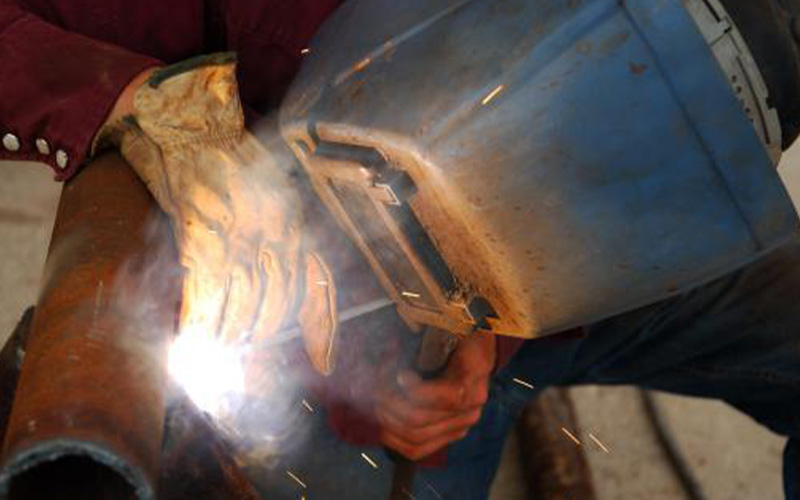
Pipe fabrication is the process of manufacturing predesigned piping systems for various uses.
Pipe fabrication is the process of manufacturing predesigned piping systems for various uses. Fabricated systems can be used in irrigation and fire protection, among other things.
The use determines the size and diameter of the pipes being used, the material that the piping system is to be constructed of, and the different attachments and components that the system will need to contain throughout its layout.
Chemical treatments are used to fabricate pipes, as are various types of welding and different sealed joining methods. The purpose is to create a system that will properly suit the client’s intended use for the piping system being made.
Many pipe fabrication facilities also use the process of pipe bending. In this process, a straight section of piping is formed to create curvatures or bends at virtually any angle, depending on the specifications set by the client’s approved design.
These tactics have long been an efficient method of creating versatile and exact piping systems, able to fit into almost any existing structure without extensive remodeling or demolition. This process is perhaps one of the most valuable assets to the fabrication process, as it truly allows for full customization.
The use determines the size and diameter of the pipes being used, the material that the piping system is to be constructed of, and the different attachments and components that the system will need to contain throughout its layout.
Chemical treatments are used to fabricate pipes, as are various types of welding and different sealed joining methods. The purpose is to create a system that will properly suit the client’s intended use for the piping system being made.
Many pipe fabrication facilities also use the process of pipe bending. In this process, a straight section of piping is formed to create curvatures or bends at virtually any angle, depending on the specifications set by the client’s approved design.
These tactics have long been an efficient method of creating versatile and exact piping systems, able to fit into almost any existing structure without extensive remodeling or demolition. This process is perhaps one of the most valuable assets to the fabrication process, as it truly allows for full customization.
Nov
04
What Is The Process Of Pipe Coating?
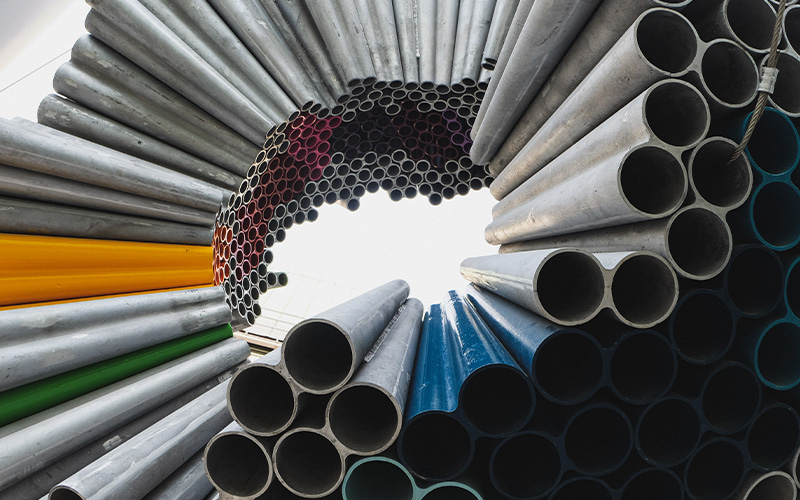
A pipeline coating is a cost-effective and sensible solution that is done purposely to maintain pipelines’ integrity.
A pipeline coating is a cost-effective and sensible solution that is done purposely to maintain pipelines’ integrity. This coating helps in providing a constant protective lining that helps in saving pipelines from the damaging effects of corrosion. Pipeline coating is considered as one of the most reliable corrosion prevention methods used by industries today worldwide. However, pipeline coating is not an easy task; it requires a process that has a lot of steps to follow to get into a successful pipe coating mission. We will talk about its process, but before that, let us jump into the uses of pipe coating.
So, it is usually used to refrain the negative effects of corrosion on pipeline operation, capacity, and costs take its originality because the pipelines that are uncoated can lead to corrosion. Though, that corrosion can be removed. However, its disposal can be hazardous to nature.
Pipeline coatings provide the following advantages:
It improves the gas flow as its surface is all smooth. It decreases the cost of energy as coated pipelines create a huge difference in minimising the compression cost and pumping over the lifespan of a pipe. It minimises the need for inhibitors and also looks forward in promoting the clean delivery of the product which can consequently serve as a cost-effective and low maintenance option for corrosion control that offers ample and trustworthy protection.
Pipe Coating Process
All pipe ends are protected with end caps as a standard before the starting of the blast cleaning process. Preparation of a pipe is a very significant factor in the application of coatings; therefore, particular attention is paid to the cleaning process to achieve the highest standard possible. The process has two external blast cabinets, and the first one uses steel shot next to steel grit in the second machine. The most appropriate grades of abrasive and control parameters are selected to ensure optimum results.
So, it is usually used to refrain the negative effects of corrosion on pipeline operation, capacity, and costs take its originality because the pipelines that are uncoated can lead to corrosion. Though, that corrosion can be removed. However, its disposal can be hazardous to nature.
Pipeline coatings provide the following advantages:
It improves the gas flow as its surface is all smooth. It decreases the cost of energy as coated pipelines create a huge difference in minimising the compression cost and pumping over the lifespan of a pipe. It minimises the need for inhibitors and also looks forward in promoting the clean delivery of the product which can consequently serve as a cost-effective and low maintenance option for corrosion control that offers ample and trustworthy protection.
Pipe Coating Process
All pipe ends are protected with end caps as a standard before the starting of the blast cleaning process. Preparation of a pipe is a very significant factor in the application of coatings; therefore, particular attention is paid to the cleaning process to achieve the highest standard possible. The process has two external blast cabinets, and the first one uses steel shot next to steel grit in the second machine. The most appropriate grades of abrasive and control parameters are selected to ensure optimum results.
Nov
02
What is Industrial Pipe Fitting?
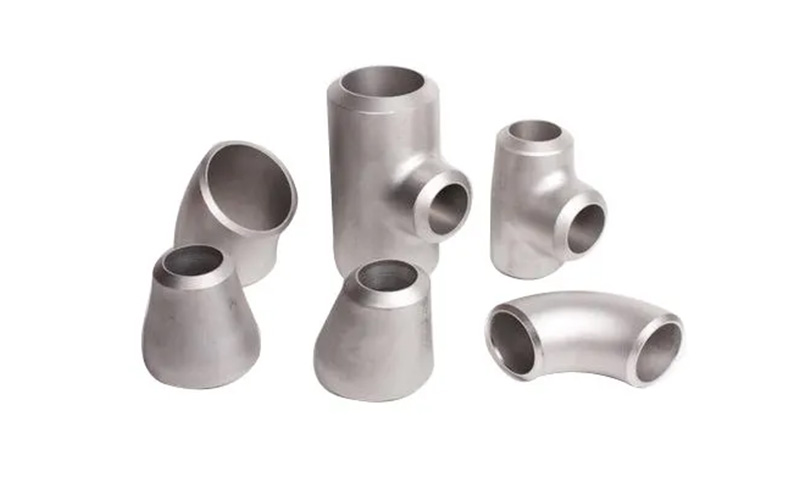
Pipe fitting is a piece of equipment used to connect pipe sections together with other fluid control components, same as valves and pumps to build pipelines. Various pipe fittings such as reducer, cross, elbow, cap, and tee supply.
Pipe fitting is a piece of equipment used to connect pipe sections together with other fluid control components, same as valves and pumps to build pipelines. The general meaning for the term fittings is associated with the units used for metal and plastic pipes which convey fluids. However, other forms of pipe fittings can be used to combine pipes for handrails and other architectural applications, where producing a leak-proof system is not a requirement. Pipe fittings may be threaded or welded, mechanically joined, or chemically adhered. Pipe Material pipe changes the way of connecting we should choose.
There is some difference in terminology surrounding the words pipe, tube, and tubing. As a result, the name pipe fittings will sometimes be considered in the context of tubing as well as pipe. Pipe fittings are similar to tube fittings in shape, but they are rarely joined by techniques such as soldering. Some designs overlap, such as compression fittings, but where these are conventional for connecting tubes or tubing, their use in pipe connections is unusual. The common usage of names can change from supplier to supplier as there are general distinctions, although they express the same items.
Standard codes should be followed for designing (or manufacturing) a piping system. Companies that promulgate piping standards are as below:
ASME: American Society of Mechanical Engineers A112.19.1 Enameled steel and cast-iron piping fixtures standards A112.19.2 Ceramic piping fixtures standard API: American Petroleum Institute ASTM International: American Society for Testing and Materials EJMA: Expansion Joint Manufacturers Association CGA: Compressed Gas Association PCA: Plumbing Code of Australia AWS: American Welding Society AWWA: American Water Works Association MSS: Manufacturers Standardization Society ANSI: American National Standards Institute NFPA: National Fire Protection Association Pipes must adhere to the dimensional specifications of:
There is some difference in terminology surrounding the words pipe, tube, and tubing. As a result, the name pipe fittings will sometimes be considered in the context of tubing as well as pipe. Pipe fittings are similar to tube fittings in shape, but they are rarely joined by techniques such as soldering. Some designs overlap, such as compression fittings, but where these are conventional for connecting tubes or tubing, their use in pipe connections is unusual. The common usage of names can change from supplier to supplier as there are general distinctions, although they express the same items.
Standard codes should be followed for designing (or manufacturing) a piping system. Companies that promulgate piping standards are as below:
ASME: American Society of Mechanical Engineers A112.19.1 Enameled steel and cast-iron piping fixtures standards A112.19.2 Ceramic piping fixtures standard API: American Petroleum Institute ASTM International: American Society for Testing and Materials EJMA: Expansion Joint Manufacturers Association CGA: Compressed Gas Association PCA: Plumbing Code of Australia AWS: American Welding Society AWWA: American Water Works Association MSS: Manufacturers Standardization Society ANSI: American National Standards Institute NFPA: National Fire Protection Association Pipes must adhere to the dimensional specifications of:
